Yosemite National Park
California
🚗 Check available routes: 🏔️ Yosemite National Park Road Trip
📍 Location: Central California, Sierra Nevada
🏞️ State: California
🗓️ Best time to visit: May through October
🌐 Official website: National Park Service — Yosemite
🌲 About Yosemite
Yosemite National Park is one of the most iconic protected landscapes in the United States. The park covers nearly 1,200 square miles (3,100 square kilometers) of the Sierra Nevada and ranges in elevation from about 2,000 feet (600 meters) to more than 13,000 feet (4,000 meters).
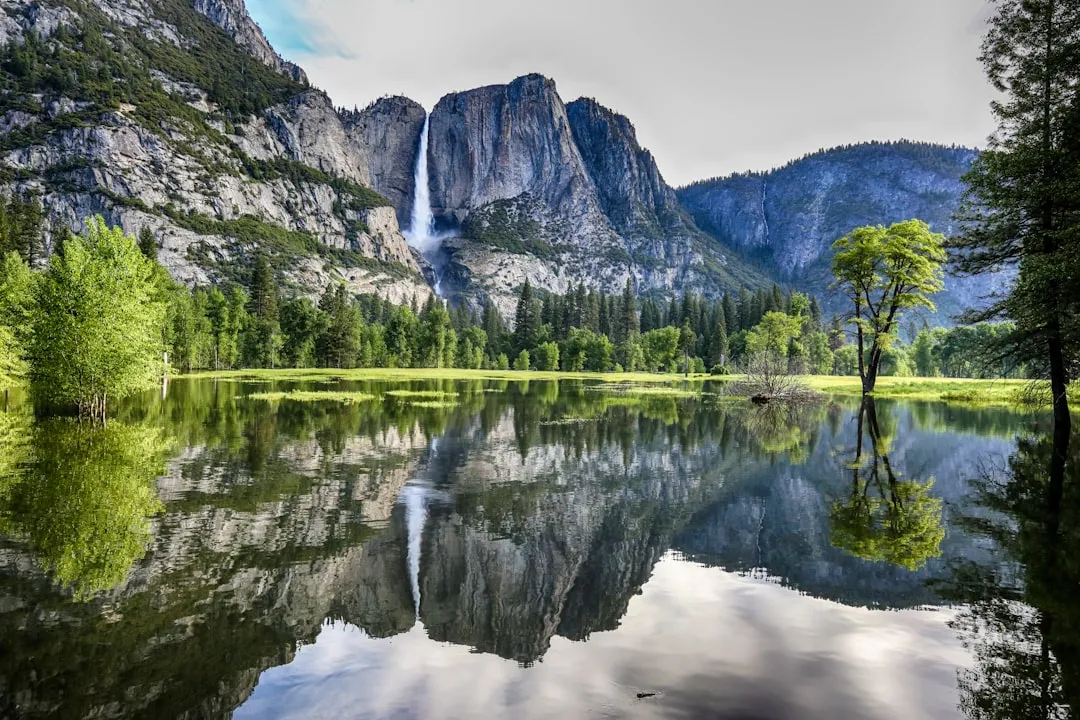
Yosemite is known for its massive granite cliffs, waterfalls, giant sequoia groves, alpine meadows, rivers, lakes, forests, and extensive wilderness. Famous landmarks include Half Dome, El Capitan, Yosemite Falls, Glacier Point, and the Mariposa Grove of Giant Sequoias.
✨ Why Visit
Yosemite offers dramatically different experiences throughout the year and is especially known for:
- 🏔️ Towering granite cliffs and rock formations
- 💧 Waterfalls powered by spring snowmelt
- 🌲 Ancient giant sequoia groves
- 🌼 Alpine meadows and seasonal wildflowers
- 🧗 World-famous climbing areas
- 🌌 Dark skies and mountain stargazing
- ❄️ Snow-covered winter scenery
- 🐻 Diverse Sierra Nevada wildlife
📅 Best Months to Visit
🌊 May–June — Best for Waterfalls
Late spring and early summer are usually the best times to see Yosemite’s waterfalls at their strongest.
Peak runoff typically occurs in May or June, depending on the winter snowpack and spring temperatures.
During this period:
- Waterfalls are usually near peak flow
- Yosemite Valley is green and active
- Higher-elevation roads and trails may still be closed by snow
- Temperatures can vary significantly between the valley and high country
☀️ July–September — Best Overall Access
Summer generally provides the most reliable access to the entire park, including the high country.
This is usually the best period for:
- Tioga Road and Tuolumne Meadows
- Glacier Point Road
- High-elevation hiking
- Backpacking and camping
- Longer daylight hours
July and August are typically the busiest and warmest months. September usually has cooler temperatures and somewhat smaller crowds, although wildfire smoke can affect visibility.
🍂 October — Cooler and Less Crowded
October often brings pleasant daytime temperatures, fall color in some lower-elevation areas, and fewer visitors.
Most park areas are usually accessible through October, but early snowstorms can temporarily or permanently close Tioga Road and Glacier Point Road for the season.
❄️ November–March — Winter Experience
Yosemite Valley and Wawona generally remain accessible throughout winter, although tire chains may be required.
Winter offers:
- Snow-covered granite cliffs
- Smaller crowds
- Winter photography
- Snowshoeing and cross-country skiing
- Limited hiking at lower elevations
Tioga Road and Glacier Point Road are normally closed to vehicles during winter.
🌦️ April — Transition Season
April can bring flowing waterfalls, cool temperatures, rain, snow, and rapidly changing conditions.
Yosemite Valley is usually accessible, but most high-country roads and trails remain closed or snow-covered.
🌤️ Weather and Elevation
Yosemite’s weather varies significantly because of its large elevation range.
- Yosemite Valley: Lower elevation, warmer summers, and rain or occasional snow during winter
- Glacier Point: Cooler than the valley and seasonally inaccessible by road
- Tuolumne Meadows and Tioga Pass: High-elevation areas with short summers and long winters
- High Sierra Wilderness: Snow can remain into June or later
The National Park Service reports that approximately 95% of Yosemite’s precipitation falls between October and May. Most of the park is commonly covered by snow from about November through May.
Bring layers even during summer because mornings, evenings, storms, and high-elevation areas can be cold.
🚗 Access and Entrance Reservations
Yosemite National Park is open 24 hours per day, 365 days per year, although the Hetch Hetchy entrance operates only during daylight hours and some roads close seasonally.
🎟️ 2026 Entrance Policy
A reservation is not required to enter Yosemite National Park in 2026.
Visitors still need:
- A valid park entrance pass
- Separate reservations for lodging or campgrounds
- Permits for certain wilderness trips and activities
- A Half Dome permit when hiking to the summit
Entrance policies can change in future years, so check the official NPS reservation page before traveling.
🚘 Seasonal Road Access
🛣️ Tioga Road
Tioga Road crosses Yosemite’s high country and provides access to Tuolumne Meadows and the eastern entrance near Tioga Pass.
It is typically open from late May or June through October or November, depending on snow and road conditions.
🌄 Glacier Point Road
Glacier Point Road is generally open from approximately late May through October or November, depending on conditions.
🌲 Year-Round Approaches
Highways 41, 140, and 120 from the west generally provide year-round access, although temporary storm closures and tire-chain restrictions are possible.
Highway 120 from the east through Tioga Pass is seasonal.
🚦 Traffic and Parking
Traffic congestion is a major issue in Yosemite Valley from spring through fall.
The National Park Service recommends:
- Arriving before 8–9 AM
- Visiting after approximately 5 PM
- Parking once and using park shuttles, bicycles, or walking routes
- Avoiding unnecessary driving inside Yosemite Valley
- Downloading maps before arrival because cell service is unreliable
Parking in Yosemite Valley often fills early, especially on weekends and holidays.
🏕️ Lodging and Camping
Lodging and campgrounds inside Yosemite are highly competitive and should be reserved as early as possible.
Important points:
- A park entrance reservation does not include lodging or camping
- Campground opening dates vary based on snow, staffing, and conditions
- Many campground reservations are released through Recreation.gov
- Some high-country campgrounds operate only during summer
- Sleeping in a vehicle is allowed only in a registered campground
Check current campground and lodging availability before finalizing travel dates.
🔥 Wildfire, Smoke, and Air Quality
Wildfire smoke can affect Yosemite during summer and fall, even when fires are outside the park.
Smoke may reduce visibility of Yosemite Valley, Half Dome, Glacier Point, and the high country.
Before traveling, review:
- Current park alerts
- Active wildfire information
- Air-quality forecasts
- Road closures
- Weather forecasts
Conditions can change quickly.
🐻 Wildlife and Food Storage
Black bears live throughout Yosemite.
Food, trash, toiletries, coolers, and other scented items must be stored correctly in designated bear-resistant storage locations.
Never leave food visible inside an unattended vehicle. Improper food storage can result in property damage, wildlife harm, and fines.
Do not approach or feed wildlife.
🐾 Pets
Pets are permitted only in limited developed areas.
They must be:
- Attended
- Leashed on a leash no longer than 6 feet
- Kept on paved roads, sidewalks, and most bicycle paths where pets are allowed
Pets are generally prohibited:
- On most hiking trails
- In wilderness areas
- Inside public buildings
- In the Mariposa Grove
- On beaches and undeveloped terrain
- In Camp 4 and group campsites
Check individual trail and campground rules before bringing a pet.
♿ Accessibility
Yosemite provides accessible viewpoints, lodging options, restrooms, shuttle stops, picnic areas, and some paved paths.
Accessibility varies by location, season, weather, construction, and shuttle availability.
The Yosemite Accessibility Guide and official NPS accessibility page provide detailed information for:
- Yosemite Valley
- Glacier Point
- Wawona
- Mariposa Grove
- Tuolumne Meadows
- Campgrounds and lodging
- Accessible transportation and parking
✅ Before You Go
Check the National Park Service website shortly before your visit for:
- 🚧 Current road conditions and closures
- 🎟️ Entrance and permit requirements
- 🏕️ Campground and lodging availability
- 🥾 Trail conditions
- ❄️ Snow and tire-chain requirements
- 🔥 Wildfire and smoke conditions
- 🚦 Traffic and parking updates
- 🚌 Shuttle availability
- 🐻 Food-storage regulations
- 🕒 Visitor center and facility hours
🔗 Official National Park Service References
- Yosemite National Park — Official NPS Website
- Plan Your Visit
- Basic Information
- Current Conditions
- Operating Hours and Seasons
- Seasons
- Weather
- Permits and Reservations
- Entrance Reservations
- Fees and Passes
- Current Road Conditions
- Tioga and Glacier Point Road Information
- Traffic and Parking
- Campgrounds
- Waterfalls
- Pets
- Accessibility
- Safety
- Bears and Food Storage