🌺 Hāʻena State Park
Hawaii
🚗 Check available routes: 🌺 Kauaʻi Scenic Road Trip
📍 Location: End of Kūhiō Highway on Kauaʻi’s North Shore, Hawaiʻi
🏖️ Main attraction: Kēʻē Beach, coastal scenery, cultural landscape, and access to the Kalalau Trail
🗓️ Best time to visit: April through June or September through November
⏳ Recommended time: 3–6 hours
🌐 Official park information: Hawaiʻi Division of State Parks — Hāʻena State Park
🏝️ About the Park
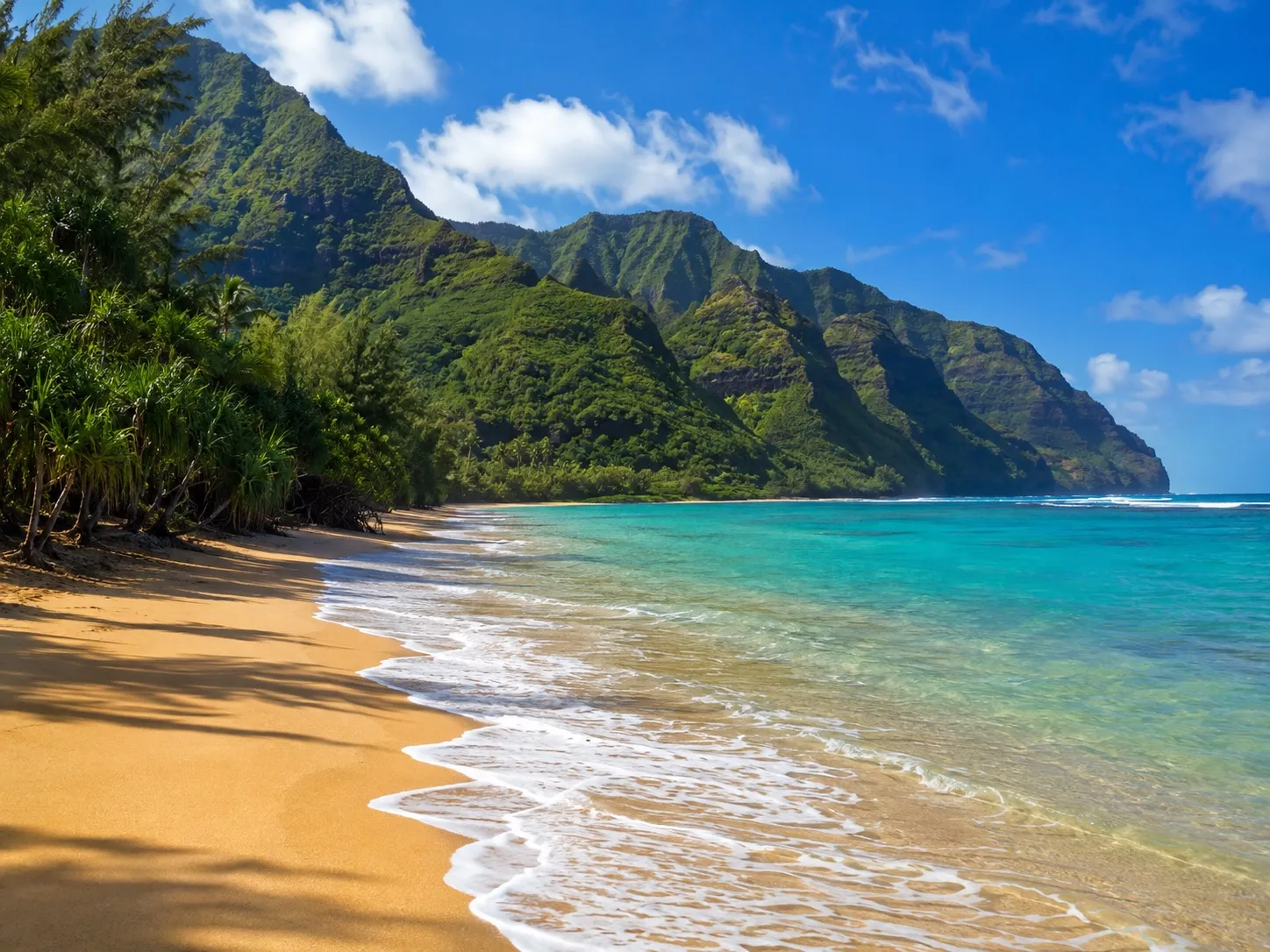
Hāʻena State Park sits at the western end of Kauaʻi’s North Shore road, where steep green mountains meet the ocean near Kēʻē Beach.
The park is a good destination even without completing a major hike. Visitors can walk along the park’s paths and boardwalks, explore the beach area, enjoy views of the Nāpali Coast, and spend time in a landscape with significant natural and cultural importance.
Hāʻena is also the gateway to the Kalalau Trail and Nāpali Coast State Wilderness Park, so the park can feel busy early in the morning when hikers arrive.
✨ Why Visit
Hāʻena State Park is especially known for:
- 🏖️ Kēʻē Beach and its mountain backdrop
- 🌊 Views toward the beginning of the Nāpali Coast
- 🌴 Lush North Shore vegetation
- 🐠 Seasonal snorkeling when ocean conditions are calm
- 🌅 Sunset views from the beach
- 📸 Dramatic coastal and mountain photography
- 🏛️ Hawaiian cultural and archaeological significance
- 🥾 Access to the Kalalau Trail for visitors planning a separate hike
📅 Best Time to Visit
🌸 April–June — Green and Pleasant
Late spring often provides a good balance of warm weather, green scenery, and somewhat lighter crowds than peak summer.
🍂 September–November — Warm Shoulder Season
Early fall is another good period, although ocean and weather conditions can change quickly on the North Shore.
🌅 Morning for More Time
An early reservation gives you more time to enjoy the beach and reduces the risk of feeling rushed by parking time-slot or shuttle-return requirements.
🌊 Summer for Calmer Water
Kēʻē Beach is generally more likely to have calm swimming or snorkeling conditions during summer. Winter surf can be powerful and may make entering the water unsafe.
🎟️ Reservation Requirements
Advance reservations are required for most non-Hawaiʻi residents visiting Hāʻena State Park.
Day-use reservations are released 30 days in advance through Go Hāʻena and can sell out quickly.
Reservation options generally include:
- 🚗 Parking and entry — Required when driving a personal or rental vehicle into the park
- 🚌 Shuttle and entry — Round-trip transportation from the designated park-and-ride area
- 🎟️ Entry only — For visitors arriving through an approved alternative transportation arrangement
For parking reservations:
- Entry must be reserved for every person in the vehicle
- Parking is valid only during the purchased time slot
- Multiple time slots may be required for a longer visit
- A digital or printed reservation voucher should be ready at arrival
Hawaiʻi residents may enter without the same visitor reservation requirement when presenting valid Hawaiʻi identification, but current rules should still be checked before travel.
🚌 Shuttle Access
The Go Hāʻena shuttle is often the easiest option because parking reservations are limited.
Visitors normally check in at the Waipā Park & Ride. Shuttle reservations include park entry when the ticket holder uses the shuttle.
Important details:
- Arrive early enough to check in before the reserved departure
- Keep track of the final return shuttle
- Bring everything needed for the visit because returning to the vehicle is inconvenient
- Follow the current baggage, cooler, and equipment rules listed by Go Hāʻena
🚗 Driving and Parking
Hāʻena State Park is at the end of Kūhiō Highway, west of Hanalei.
The road passes through residential communities and includes narrow bridges and sections prone to congestion. Visitors should:
- Allow extra travel time
- Avoid stopping or parking along the highway
- Never park on private property
- Follow reservation time slots exactly
- Drive slowly and respectfully through North Shore communities
Parking without a valid reservation should not be expected to be available at the park.
🏖️ Kēʻē Beach
Kēʻē Beach is the main day-use destination inside the park. The beach sits beneath steep mountains at the edge of the Nāpali Coast.
During calm conditions, the reef may create a protected area suitable for swimming or snorkeling. Conditions are not consistently safe, especially during periods of high surf.
Before entering the water:
- Speak with a lifeguard when one is present
- Check posted warnings and ocean conditions
- Avoid entering during strong surf or currents
- Keep children close to shore
- Do not stand on or damage coral
🥾 Kalalau Trail Access
The Kalalau Trail begins inside Hāʻena State Park, but hiking it is a separate activity from a normal park visit.
A standard Hāʻena entry reservation includes access to the park, Kēʻē Beach, and the permitted day-use portion of the trail. Continuing beyond the allowed day-use area toward Kalalau requires the appropriate Nāpali Coast camping permit.
Visitors planning any trail activity should review current conditions through Go Hāʻena’s park conditions page and the Nāpali Coast State Wilderness Park website.
⚠️ Safety
Visitors should prepare for:
- Sudden rain
- Muddy or slippery surfaces
- Strong sun and humidity
- High surf and powerful currents
- Flash flooding in nearby streams
- Limited or unavailable cell service
- Mosquitoes and other insects
- Limited food and retail services near the park
Bring:
- Plenty of water
- Reef-safe sun protection
- Supportive footwear
- A light rain layer
- Insect repellent
- Food or snacks
- A waterproof bag for electronics
Do not rely on cell service for navigation, reservations, or emergency communication. Save reservation documents before leaving Hanalei.
🌊 Ocean and Wildlife Safety
North Shore ocean conditions can change rapidly.
Visitors should:
- Follow lifeguard instructions and posted warnings
- Never turn their back on the ocean
- Stay away from wet rocks during high surf
- Keep a legal and respectful distance from monk seals and sea turtles
- Never touch coral or marine wildlife
- Avoid snorkeling alone
Seeing calm water near shore does not guarantee that currents outside the reef are safe.
🌿 Cultural Respect and Leave No Trace
Hāʻena is not only a recreation area; it is part of an important living cultural landscape.
Visitors should:
- Stay on designated paths and boardwalks
- Do not enter restricted archaeological or restoration areas
- Pack out all trash
- Avoid removing rocks, sand, plants, or shells
- Use restrooms and designated facilities responsibly
- Keep noise low
- Respect local residents and private property
- Follow instructions from park and community staff
✅ Before You Go
Check current information before visiting:
- 🌺 Hawaiʻi Division of State Parks — Hāʻena State Park
- 🎟️ Go Hāʻena reservations
- 🚌 Shuttle schedule and stops
- 🚧 Current park and trail conditions
- 🥾 Nāpali Coast State Wilderness Park
- 🌦️ North Shore weather forecast
- 🌊 Surf and high-surf warnings
- 🚗 Kūhiō Highway traffic and closure notices